
The Great Windmill Investment Scheme
In 1888, Chicago’s rapid industrial growth attracted ambitious entrepreneurs and investors. One intriguing idea came from a clever inventor who proposed a windmill farm near the city. At the time, wind energy seemed revolutionary, and he claimed it would power homes and factories more efficiently than coal. Investors flocked to fund the project, imagining themselves as pioneers of a “new era.”
The inventor’s bold promise: “For every $10 invested, you’ll receive $100 in profit within five years.” The buzz grew so strong that people sold their savings, pawned jewelry, and even mortgaged their homes to buy shares.
The construction began with much fanfare. Windmills sprouted across the countryside, creating an impressive sight. But something peculiar happened—whenever investors visited, they saw the windmills spinning rapidly and generating power. However, there was one small issue: there was no actual demand for the electricity generated. Factories were still using coal, and households didn’t have the infrastructure to use wind power efficiently.
As months passed, the truth unraveled. The windmills’ spinning was staged—hidden workers turned them manually during investor tours to create an illusion of success. By the time the scam came to light, the inventor had disappeared with the funds.Lessons for Investor Psychology and the Stock Market
1. The Illusion of Innovation Can Be Misleading Just because something sounds revolutionary doesn’t mean it’s practical. Many “innovative” companies in the stock market capitalize on hype rather than substance. Always ask: is there real value, or just a story?
2. Herd Mentality Drives Markets The fear of missing out (FOMO) drove many to invest without due diligence. In markets, this herd mentality often inflates bubbles that eventually burst.
3. Greed Can Cloud Judgment Promises of extraordinary returns often lure investors into risky or fraudulent ventures. A sound investment strategy prioritizes steady, realistic growth over “too-good-to-be-true” opportunities.
4. Due Diligence is Crucial Investigate before investing. Whether it’s stocks or startups, verify claims, understand business models, and check track records.
5. Beware of Overconfidence in New Trends Emerging industries, like renewable energy in this story or tech stocks today, attract speculative capital. While they may hold promise, they also carry heightened risks.
6. The Disappearing Inventor Phenomenon In modern terms, think of founders or executives who sell their shares or disappear during market downturns. It’s a warning sign.
Key Question for Investors
Are you investing in a company because it’s truly valuable or because everyone else is excited about it?
Just as the Chicago windmills spun without generating power, some investments may look busy without producing actual returns. Stay grounded, do your homework, and avoid the illusion of success.
Recent Posts






Related Articles
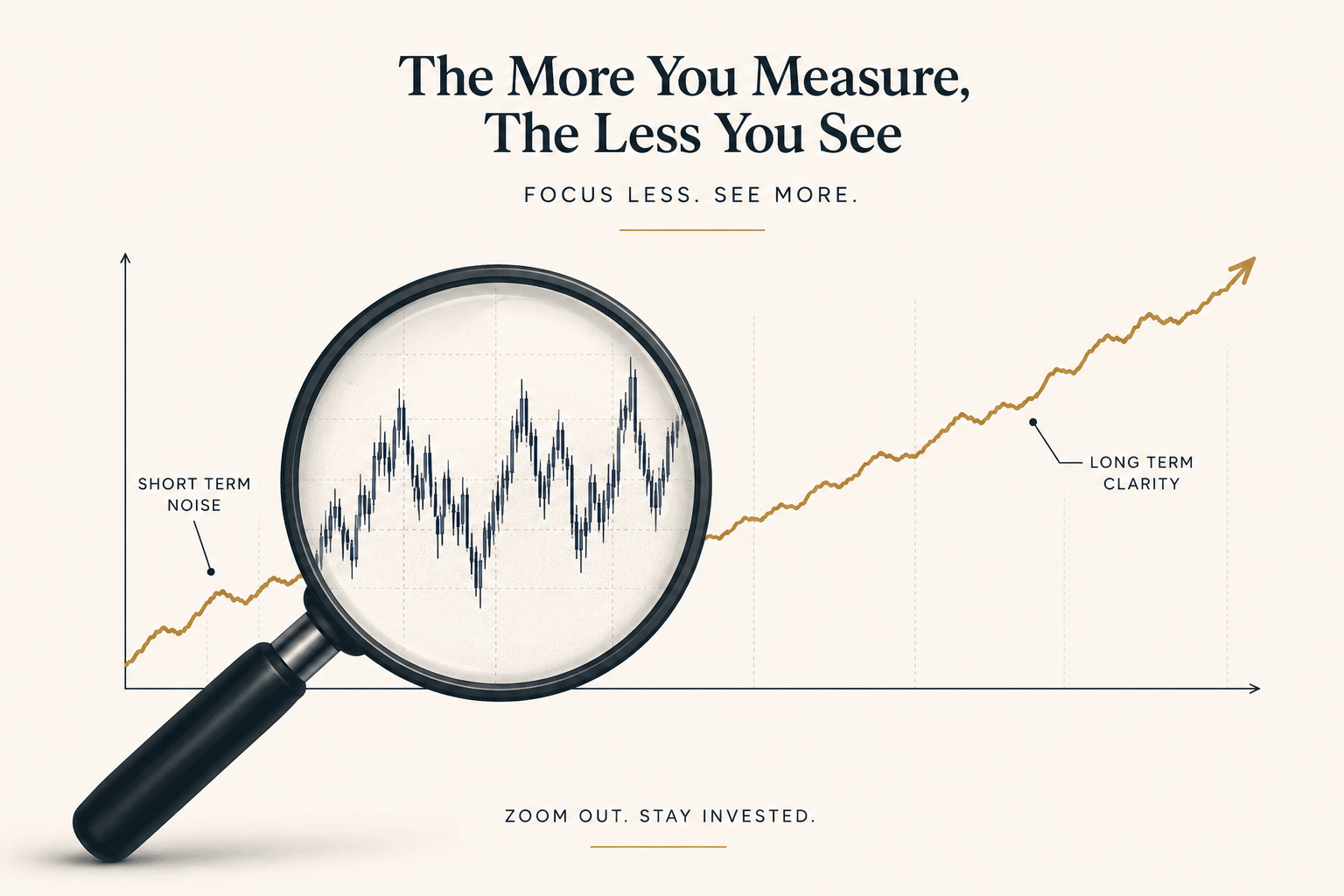
The More You Watch, The Less You See
The future becomes noisier when you stare at it daily. In 1927, German physicist Werner Heisenberg introduced one of the most important ideas in modern science: the Uncertainty Principle. At…..
The Market Will Test You. Time Will Reward You.
Every investor eventually faces the same silent battle. – Not against inflation. – Not against interest rates. – Not even against the market itself. But against their own emotions. Because…..

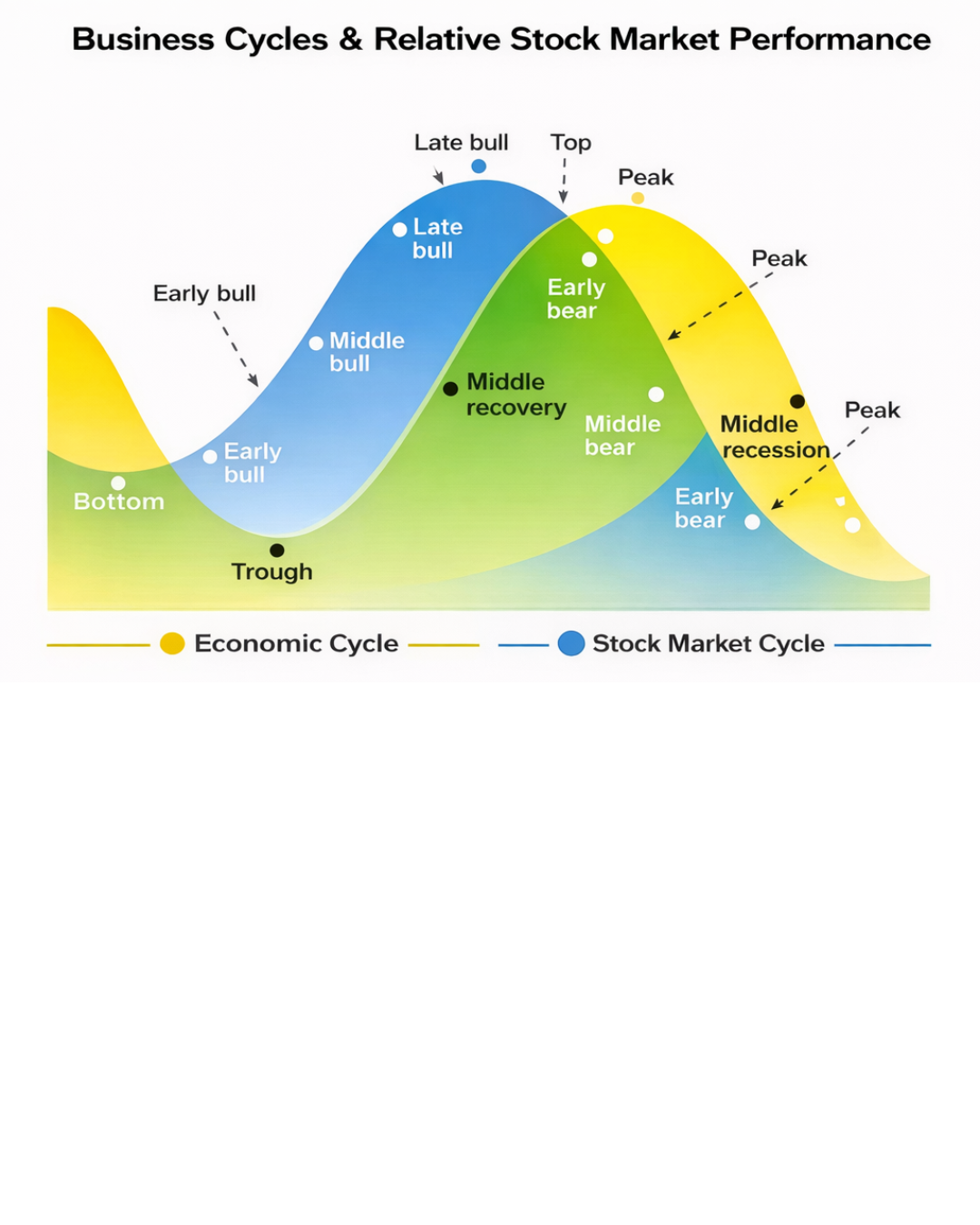
ESG: The Cost of Ignoring What Doesn’t Show Up in Earnings
In January 2009, investors woke up to one of the largest corporate frauds in Indian history. For years, Satyam Computer Services was celebrated as a technology success story — revenues…..
Facing Difficulty in Your Investment Journey?
Talk to CERTIFIED FINANCIAL PLANNER® for Suitable Investment Options for You
REQUEST A CONSULTATION